Are you ready to transform your home from a cozy dwelling to a hot commodity that sells in record time? Welcome to a world where selling your house fast doesn’t mean losing value or settling for less. Instead, it’s about leveraging expert strategies to ensure your property not only catches the eye but also closes the deal swiftly and profitably.
Picture this: A potential buyer drives up to your home and is immediately captivated by its charm, thanks to your impeccable curb appeal. Inside, they find a beautifully staged, clutter-free space that allows them to imagine their future. With professional photos drawing eyes online, and a strategic price point that beckons bids, your property becomes irresistible. Let’s dive into the secrets of making your house the next big thing on the market!
Preparing Your Home for a Quick Sale
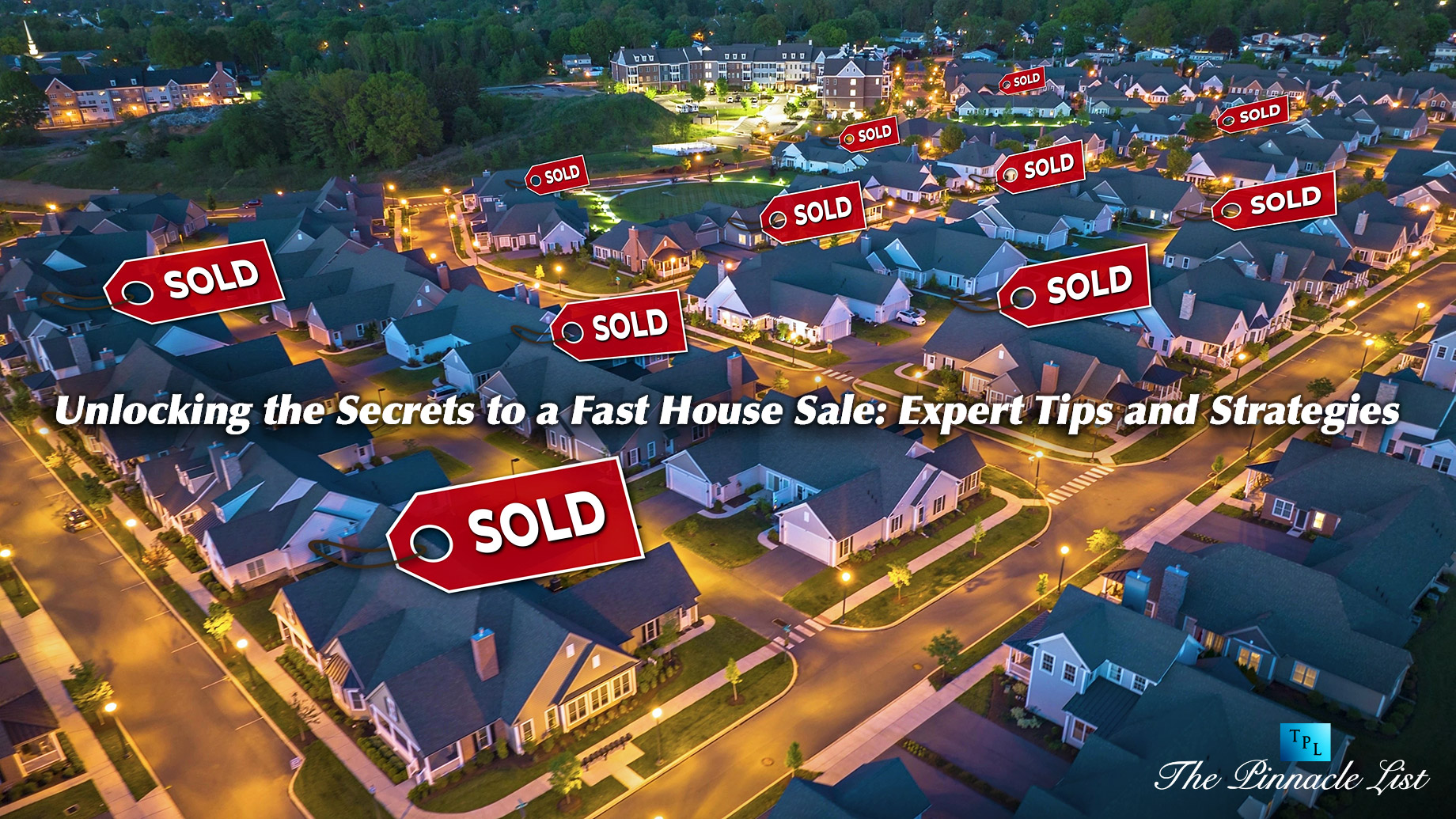
In the competitive world of real estate, speed and presentation are your best allies. A well-prepared home can swiftly capture a buyer’s heart and close the deal at the best price.
Certain key strategies can significantly enhance your home’s appeal and make the selling process both swift and profitable.
The Importance of Curb Appeal and First Impressions
The adage “first impressions last” rings true in real estate. Curb appeal is your home’s first chance to attract buyers—make it count! A welcoming entrance invites potential buyers to explore more within.
- Refresh exterior paint or clean siding.
- Maintain a neat lawn, trimmed hedges, and healthy plants.
- Replace old hardware and consider adding a new welcome mat.
“A well-maintained exterior is like a warm handshake—inviting and memorable.”
Checklist for Decluttering and Staging Effectively
A clutter-free home allows buyers to envision themselves living there. Staging is not just decoration; it’s creating an emotional connection.
- Remove personal items and excess furniture.
- Arrange furniture to highlight space and light.
- Add neutral decor accents for a fresh look.
“Effective staging helps buyers see the potential, not just the present.”
The Role of Professional Photography in Online Listings
In the digital age, visuals are vital. Professional photos can make your home stand out on listing sites, attracting more interest and potential offers.
- Invest in a skilled real estate photographer.
- Ensure the home is well-lit and clean for photo day.
- Highlight unique features and spaciousness in photographs.
“A picture is worth a thousand words, but a professional photo can be worth thousands more in value.”
Conducting Necessary Repairs and Upgrades
Buyers appreciate a home that feels ‘move-in ready.’ Addressing necessary repairs and considering cost-effective upgrades can boost your home’s market position.
| Repair/Upgrade | Potential Benefit |
|---|---|
| Fix leaky faucets and squeaky doors | Projects a well-maintained home |
| Repaint rooms in neutral colors | Appeals to a broader audience |
| Upgrade to energy-efficient fixtures | Attracts eco-conscious buyers |
“Small fixes yield big returns when they enhance the buyer’s confidence.”
Pricing Strategies for a Fast Sale
Setting the right price for your home is crucial when aiming for a swift and profitable sale. A well-researched pricing strategy not only attracts potential buyers but also ensures that your property does not linger on the market.
To achieve this, understanding different pricing techniques and their impact on buyer interest is essential. Let’s delve into how market analysis can help set a competitive price and explore the benefits of strategic pricing adjustments.
Comparing Pricing Techniques and Their Impact
Home sellers often grapple with choosing the right pricing technique. The way you price your home can either entice buyers or drive them away. Key techniques include competitive pricing, value-based pricing, and psychological pricing. Each method targets buyer psychology differently:
| Pricing Technique | Description | Impact on Buyer Interest |
|---|---|---|
| Competitive Pricing | Setting the price similar to comparable homes in the area. | Encourages buyer interest due to perceived fairness. |
| Value-Based Pricing | Pricing based on perceived property value to the buyer. | Appeals to buyers who see unique value, but may limit interest. |
| Psychological Pricing | Using prices like $299,999 instead of $300,000. | Creates a perception of a deal, increasing buyer attraction. |
Leveraging Market Analysis for Competitive Pricing
Conducting a thorough market analysis is an indispensable step in setting a competitive price. This involves examining recently sold properties, current market trends, and the economic environment. By doing so, you can price your home within a range that makes it attractive yet profitable.
An accurate market analysis can be the difference between a fast sale and a stagnant listing.
Benefits of Pricing Below Market Value
While it may seem counterintuitive, pricing your home slightly below market value can be a winning strategy. This approach can generate a buzz, potentially leading to multiple offers and even a bidding war. The perceived value and urgency drive buyers to act quickly, minimizing the time your home stays on the market.
Adjusting Price for a Lingering Property
If your home does not sell as quickly as anticipated, it’s vital to have a strategy for adjusting the price. Monitor market feedback and stay proactive. Consider an incremental price reduction that reflects new market data without devaluing your property. Regularly reassessing your pricing strategy with the help of a real estate expert can help keep your listing competitive.
Marketing Your Property Effectively
Creating a buzz around your property is crucial to ensuring a quick sale. To achieve this, you need to think beyond traditional listing methods and embrace innovative marketing tactics.
By tapping into the power of social media, creating engaging experiences, and crafting compelling narratives, you can significantly enhance your property’s visibility and attract motivated buyers.
Innovative Marketing Tactics Beyond Traditional Listings
While listing your property on popular real estate websites is a given, it’s essential to diversify your marketing strategy. Consider hosting thematic open houses that offer potential buyers a unique experience, such as a wine tasting evening or an art exhibition. These events can create memorable experiences that set your property apart from the competition.
Additionally, invest in 360-degree virtual tours and high-quality drone footage to provide a comprehensive view of the property and its surroundings. These tools can help convey the lifestyle benefits of living in the home and the neighborhood, appealing to buyers who value visual storytelling.
Leveraging Social Media Platforms
Social media platforms can be a goldmine for reaching potential buyers. Create a detailed plan to maximize your online presence, incorporating a mix of organic posts and targeted ads. On platforms like Instagram and Facebook, visually appealing content reigns supreme. Share stunning photographs of your property, focusing on its most attractive features, and use Instagram Stories and Facebook Live for real-time engagement.
- Design a storytelling campaign that highlights the unique aspects of your property.
- Engage with followers by hosting live Q&A sessions about the property.
- Collaborate with local influencers to expand your reach.
By establishing a presence on these platforms, you can tap into a broader audience and engage directly with potential buyers.
Timeline for Open Houses and Virtual Tours
Organizing a structured timeline for open houses and virtual tours is essential to maintain momentum and interest. Plan strategically by scheduling both physical and virtual events to accommodate different buyer preferences.
- Week 1: Announce the upcoming open house and virtual tour dates on social media and real estate platforms.
- Week 2: Host a sneak peek virtual tour to generate early interest.
- Week 3: Conduct the first open house, followed by virtual tour availability for those who couldn’t attend.
- Week 4: Host a follow-up open house and release additional virtual content, such as a “day in the life” video showcasing local amenities.
Compelling Property Descriptions and Headlines
A well-crafted property description can captivate buyers and prompt them to take action. Use evocative language that paints a picture of what life could be like in the home. For example:
“Step into this sun-drenched oasis, where modern elegance meets cozy charm. Nestled in the heart of a vibrant community, this home offers a sanctuary of tranquility just moments from bustling city life.”
Crafting attention-grabbing headlines is equally important. Consider these examples:
- “Urban Retreat: Discover Your Dream Home in the City”
- “Modern Luxury Awaits: Your Perfect Home is Here”
- “Charming Serenity: Cozy Home in a Thriving Locale”
When your words resonate with potential buyers, you draw them in, compelling them to see your property in person or online, and ultimately make that swift and profitable sale a reality.
Negotiation Tactics for Sellers
In the dynamic world of real estate, negotiation stands as the linchpin to securing a swift and profitable sale. Mastering this skill can transform the selling experience, ensuring that you not only sell your house fast but also achieve a deal that aligns with your financial aspirations.
As you navigate the negotiation landscape, it’s essential to utilize strategies that empower you and position your property competitively in the market.
Handling Multiple Offers with Confidence
Receiving multiple offers is every seller’s dream scenario, yet managing them requires finesse. When faced with multiple proposals, it’s crucial to prioritize offers not just by price, but by the overall strength and terms. Analyze contingencies, closing timelines, and the financial viability of each prospect. Consider the
highest and best
approach, encouraging buyers to submit their most competitive offers, ensuring you secure not just the highest bid, but the most reliable transaction.
Maintaining Negotiating Power
Your ability to maintain control during negotiations directly impacts the final outcome. Start by setting a firm bottom line and remain unwavering on must-have terms. Express genuine interest in all offers while subtly conveying that others are under consideration, creating a competitive atmosphere. By crafting a narrative of desirability around your property, you reinforce your leverage and motivate buyers to present their best terms.
Addressing Buyer Contingencies Strategically
Contingencies can often be the stumbling blocks in negotiations, but with strategic handling, they can be opportunities. When faced with contingencies, evaluate their impact on the sale timeline and certainty. For financing contingencies, request mortgage pre-approval letters to assess buyer reliability. In cases of inspection contingencies, offer to resolve minor repairs or reduce the price marginally to uphold buyer interest without compromising your position. Remember, flexibility without sacrificing key terms is paramount.
The Power of a Well-Crafted Counteroffer
A counteroffer is more than a rejection; it’s an invitation for dialogue and compromise. Begin by reaffirming interest in the buyer while clearly outlining adjustments needed to meet your terms. Use a
| Key Factor | Seller’s Advantage | Buyer’s Advantage |
|---|---|---|
| Price | Maximizes proceeds | Perceived value |
| Closing Date | Flexibility | Convenience |
| Contingencies | Reduced risk | Security |
to balance your interests against the buyer’s, crafting a counteroffer that highlights mutual benefits and underscores the attractiveness of your proposal.
Legal and Financial Considerations
Navigating the legal and financial intricacies of selling your home can seem daunting, yet it’s an essential part of ensuring a smooth transaction. Understanding these elements not only protects your interests but also enhances the overall sale process.
Embarking on this journey with a clear grasp of legal requirements and financial obligations can significantly reduce stress, turning what often feels like a labyrinth into a well-marked path to success.
The Importance of Pre-Sale Inspections and Disclosures
Ensuring your home passes pre-sale inspections and making all necessary disclosures is a cornerstone of a transparent and successful sale. By conducting thorough inspections, you can identify potential issues ahead of time, allowing you to address them before putting your home on the market. This proactive approach not only streamlines negotiations but also builds trust with potential buyers. Remember, full disclosure of your property’s condition is not just a legal obligation; it’s a powerful tool for fostering buyer confidence.
Understanding Closing Costs and Fees
Closing costs can be a significant financial consideration when selling your home. These encompass various fees that must be settled before the sale can be finalized. Here’s a guide to understanding these expenses:
- Title Insurance: Protects against future claims or disputes over ownership.
- Escrow Fees: Charges for the service that facilitates the transaction.
- Transfer Taxes: Levies imposed by your local government.
- Attorney Fees: Costs if you choose to hire legal representation.
The Role of Real Estate Agents and When to Seek Legal Advice
A real estate agent is your ally in navigating the complexities of selling your home. They offer valuable insights into market trends, assist in staging your property, and handle intricate paperwork. However, there are moments when seeking legal advice is prudent. For instance, if you encounter complicated contracts or if there are disputes over property boundaries, a lawyer’s expertise can prove invaluable. As the saying goes,
“An ounce of prevention is worth a pound of cure.”
Ensuring legal expertise is part of your strategy can prevent costly mistakes down the line.
Steps Involved in Finalizing the Sale Contract
Once you’ve found a buyer, finalizing the sale contract is the next critical step. Here’s a breakdown of the process:
- Review the Offer: Examine the buyer’s proposal and compare it to your expectations.
- Negotiate Terms: Engage in discussions to reach a mutual agreement on price and conditions.
- Draft the Contract: Formalize the agreements in a sale contract, specifying all terms clearly.
- Sign and Exchange: Both parties sign the contract, making it legally binding.
- Close the Deal: Arrange for the final settlement, transferring ownership and receiving payment.
By meticulously following these steps, you ensure a legally sound and financially rewarding conclusion to your home-selling journey.
Success Stories and Expert Tips
Embarking on the journey of selling your home can be daunting, but with the right strategies, success is within reach. Let’s explore real-life triumphs and professional insights that can turn your sale into a swift and rewarding experience.
Learning from those who’ve walked the path before can offer invaluable lessons. Here, we delve into captivating case studies of successful quick sales, showcasing the strategies that led to triumph and the pitfalls to sidestep.
Case Studies of Quick Sales Success
Imagine selling your home in just two weeks! That’s what happened with the Johnson family, who transformed their property with strategic staging and minor repairs. By highlighting their home’s best features and setting the right price, they attracted numerous offers. “First impressions matter,” said their real estate agent, emphasizing the power of curb appeal.
Tips from Real Estate Professionals on Avoiding Pitfalls
Even seasoned sellers can stumble, but with expert guidance, you can navigate the process smoothly. Top real estate professionals advise on the following:
- Do: Invest in professional photography to capture your home’s essence.
- Don’t: Overprice your property; it can deter potential buyers.
- Do: Be flexible with showings to accommodate potential buyers’ schedules.
Understanding the Psychological Aspects of Selling
Parting with a home can be emotionally taxing. It’s natural to feel stress, but managing these emotions is crucial. Experts recommend maintaining a positive outlook and focusing on the future.
“Remember, selling is a step toward your next adventure,”
advises a leading psychologist specializing in real estate transactions.
Do’s and Don’ts for a Successful Home Sale
Here’s a quick reference table to keep you on track:
| Do’s | Don’ts |
|---|---|
| Enhance curb appeal with landscaping | Neglect necessary repairs |
| Set a realistic price based on market research | Ignore market trends |
| Pre-qualify potential buyers | Rush into accepting the first offer |
Final Thoughts
In the exhilarating journey of selling your house, you’re not just passing on bricks and mortar, but a story, a dream, a future. By embracing these expert strategies, you’re set to transform this daunting task into a triumphant experience. Remember, every successful sale starts with a strategic plan, and with this guide, you’re equipped to turn potential pitfalls into stepping stones. Here’s to a swift, lucrative, and stress-free sale!

